

Can You Book a Whole Vacation With Points? Here’s What’s Actually Possible
Disclosure: This post may contain affiliate links, which earn me a small commission from bookings at no extra cost to you. Thank you for reading and supporting my blog!
I get asked some version of this question almost every week — usually by someone who has a credit card with a pile of points they’ve never touched, a dream trip they’ve been putting off, and a sneaking suspicion that “travel hacking” is either too complicated or too good to be true.
So here’s the honest answer: yes, you can book a whole vacation with points — flights and hotel fully covered — and it’s more achievable than most people assume. I do it everyday for clients, family, and myself, saving tens of thousands of dollars in the process. Before diving in though, there are a few things worth understanding, because the way most people go looking for award travel is ends up being backwards.
What “a Whole Vacation on Points” Actually Means
When people ask if they can book a vacation entirely on points, they usually mean one of two things: can I cover everything, or can I at least cover the expensive parts?
The realistic answer is the second one. And it’s still life-changing.
Flights and hotels are the two biggest line items in almost any trip budget — and those are exactly what points were designed to cover. Experiences, food, and activities are generally cash. But when your $600 flights and your $700-a-night hotel are both free, your cash budget suddenly goes toward the things that actually make a trip worth taking.
That’s the real value proposition: not a “free vacation,” but the vacation you actually want at a price you can actually afford.
What’s Actually Possible — Three Real Examples
Rather than give you hypothetical math, here’s what fully points-planned trips look like across three very different vacation types.
Hawaii — $10,000 Saved on a Luxury Family Trip
Hawaii is one of the highest-value destinations for points redemptions because cash prices are brutal and the major hotel programs all have a strong presence there. Flights from the mainland can come in at as few as 10,000–15,000 miles each way using the Turkish Airlines sweet spot — one of the most underused booking tricks for Hawaii — while the hotel can be covered entirely through Hyatt.
The full breakdown of how to pull that off, island by island, is in my guide to Hawaii on points, where I show exactly how my family saved over $10,000. For the hotel side specifically, Best Resorts and Hotels in Hawaii on Points covers every major property under Hyatt, Hilton, and Marriott with current redemption rates and which islands each program serves best. And if you want to go deep on just the flights, How to Fly to Hawaii on Points from the Mainland USA covers every viable routing option and which programs give you the best cents-per-mile value for the route.
The Florida Keys — Peak Season Prices Made Irrelevant
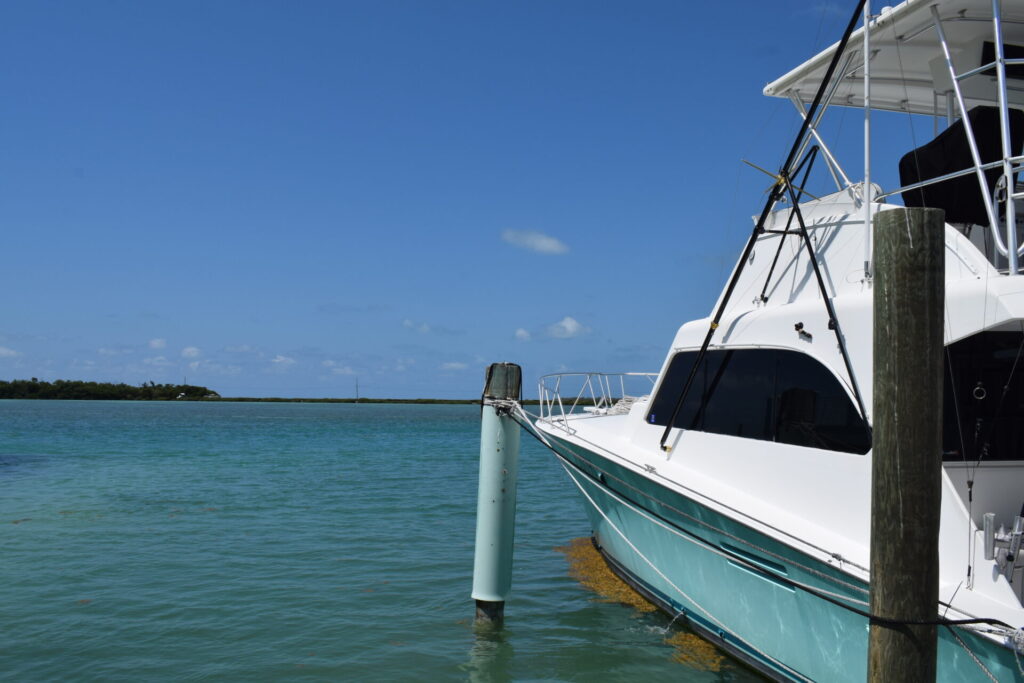
The Keys are one of the best points redemption zones in the country because cash rates spike so dramatically in season. A Hilton or Hyatt property that costs $900 a night during stone crab season can costs the same flat rate in points year-round — and both Hyatt and Hilton waive resort fees entirely on award stays, which in the Keys can add $50–$60 a night on top of the room rate.
The Points and Miles Guide to the Florida Keys covers this hotel by hotel, including a local’s take on which properties are worth the points and which programs give you the best value depending on which part of the Keys you’re visiting.
Ski Resorts — The Trip Type Most People Never Think to Book on Points
This is where I see people leave the most value on the table. Ski resort hotels are expensive, heavily concentrated under Marriott, Hilton, and Hyatt, and almost universally bookable on points. 24 Best Luxury Ski Resorts on Points covers the top options across all four major programs.
If you want to see what two of those properties actually look like from someone who stayed in both, Sheraton Park City vs. DoubleTree Park City is a real head-to-head comparison of two very different points redemptions at the same ski destination — useful if Park City is on your list and you’re deciding which program to prioritize. I’ve skied Park City for the last few years in a row and the convenience to the airport, cute town, and the fact that it is the largest ski resort in the United States makes it one of the destinations that I highly recommend for an easy ski trip that you’ll keep coming back to.

What You Actually Need to Make This Work
Three things. You probably already have at least one of them.
1. Flexible Points — Not Airline Miles
The biggest mistake people make is collecting all their points inside one airline’s loyalty program and then discovering they can only use them on that airline. Flexible currencies — Chase Ultimate Rewards, Amex Membership Rewards, Capital One Miles, Citi ThankYou Points, and Bilt Rewards — transfer to multiple airlines and hotel programs. That flexibility is what lets you find the best redemption for your specific trip rather than being stuck with whatever your carrier happens to offer.
2. A Hotel Points Strategy
For hotel stays, you want points in at least one of the three major programs: Hyatt, Hilton, or Marriott.
- Hyatt gives the best cents-per-point value and waives resort fees on all award stays — a meaningful saving in places like Hawaii or the Keys where those fees are significant. They have recently moved to expand points pricing into various bands of low and peak season pricing, making it more difficult to get outsized value. However, charts are published about a year in advance, making it easy to plan for.
- Hilton also waives resort fees, offers a fifth night free on award stays, and has the large global footprint of the three. Hilton has also fully integrated Small Luxury Hotels of the World (SLH) with its award chart, giving you access to unique properties in more off the beaten path destinations.
- Marriott has the most properties worldwide but does not waive resort fees on award stays — budget an extra $30–$50 a night in cash if you’re staying at a Marriott in a resort destination. Points pricing is somewhat dynamic, but good value can still be found especially when stacking with the fifth night free perk on award stays.
3. Book Each Piece Separately
This is the counterintuitive part. Most people assume booking a “vacation package” through a credit card travel portal is the simplest path. It’s usually the worst redemption value. You’ll almost always get significantly more out of booking your flight through an airline transfer partner and your hotel directly through the loyalty program — separately, not bundled.
How Many Points Do You Actually Need?
This is the question nobody seems to want to answer directly. Here’s a realistic breakdown for a four-night trip for two people:
| Trip component | Points needed |
|---|---|
| 4 nights at a mid-tier Hyatt | 72,000–120,000 Hyatt points |
| Round-trip domestic flights for two | 20,000–50,000 miles |
For context: the Chase Sapphire Preferred welcome bonus alone is currently 60,000–100,000 points depending on the current offer. Three to six months of normal spending on groceries, dining, and bills on top of that welcome bonus gets most people most of the way to a full trip — without changing how they live or spending anything extra.
This isn’t years of careful accumulation. It’s one or two cards, one bonus cycle, and knowing where to transfer.
What Points Won’t Cover (And Why That’s Fine)
Rental cars: Sometimes coverable through card travel credits or benefits, but via points transfers. Budget for this in cash and remember to use status benefits that may come with your card or match loyalty status to other rental companies. Use sites like AutoSlash (can add loyalty memberships to view discounted rates and track price drops) or Kayak to compare rates for the best deal.
Tours and experiences: Using points for experiences is usually a bad deal since you can ofen get way more than 1 cent per point value by transferring to partners. Booking direct with the tour company can sometimes offer savings. Booking through a platform like Viator gives you cancellation flexibility if weather or plans change, which matters especially in places like the Keys or Hawaii where weather is a factor.
Food and dining: This is a great category to rack up points earning on since most cards offer more points per dollar on dining and grocery spend. You could easily earn 3x to 4x on many cards, and use those points to book your next trip.
The honest framing: points cover the infrastructure of a trip — the flights and the hotel room, the two costs that are biggest and most predictable. Everything on top of that helps you to earn more points and can adjusted based on your budget, which should be more flexible since the major trip expenses are already covered by points. The resources page covers more of my favorite ways to save on travel expenses and trusted travel partners.

When It Makes Sense to Get Help
Most people can learn this system well enough to book their own trip — eventually. The challenge is that “eventually” often means six to twelve hours of research across transfer partner charts, award availability calendars, and program-specific rules that update constantly. For a trip you’ve been dreaming about for two years, that research investment can feel like a part-time job.
A points travel planner doesn’t tell you which cards to open. What they actually do is take the points you already have, figure out where they’re best transferred for your specific destination and dates, find the award availability, and handle the booking. If you have points sitting across multiple programs and a trip you want to take in the next six months, that’s exactly what Full Vacation Planning is designed for.
The Short Version
Yes — a whole vacation on points is possible, and for most people with a travel credit card it’s closer than they think. The flights and hotel are fully coverable. The math is real. The main thing standing between most people and their first fully points-planned trip is knowing which points to use for which part of the trip.
That’s the learning curve. And once you’ve done it once, you won’t book a trip any other way.
The hardest part of a points vacation isn’t earning the points. It’s knowing which program to transfer to, when to transfer, and how to find the award space before it disappears. If you’d rather skip that research and have someone handle the booking from transfer to confirmation, that’s exactly what a points travel consultant does — and it’s a different service from anything a traditional travel agent offers. What a travel consultant for points and miles actually does — and whether you need one →
If you want to see what this looks like for a specific destination with real hotel breakdowns, program comparisons, and a local’s perspective on what’s actually worth the points — start here:
→ The Points and Miles Guide to the Florida Keys: Luxury for (Nearly) Free
Ready to stop researching and start traveling? Full Vacation Planning takes the points you have and turns them into the trip you want.